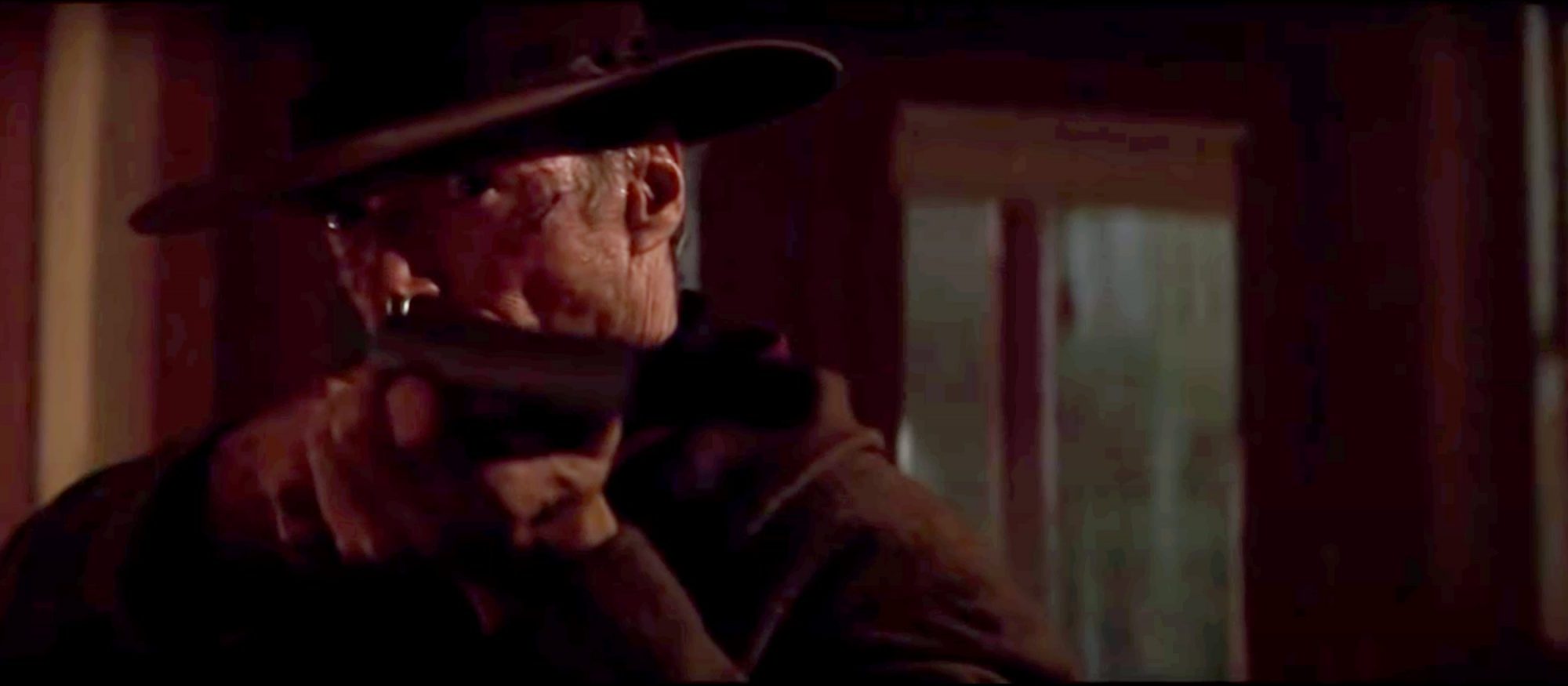
Unforgiven is a more or less perfect movie. Storywise, it’s as lean and flinty-eyed as a gunfighter, as hard and monolithic as an Old Testament proverb. And yet it’s Dickensian as well–populated by colorful characters whose quirks and tragic flaws are artfully and humorously externalized.
There’s English Bob, royalist and putative gentleman duelist, in actuality a run of the mill lowlife and untalented gunslinger.
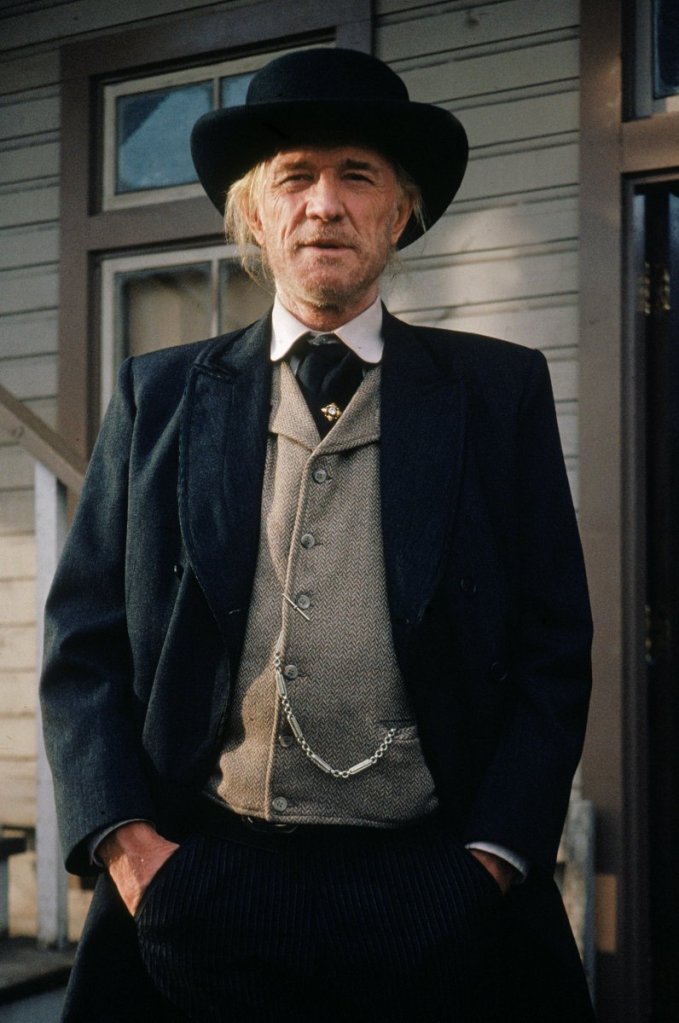
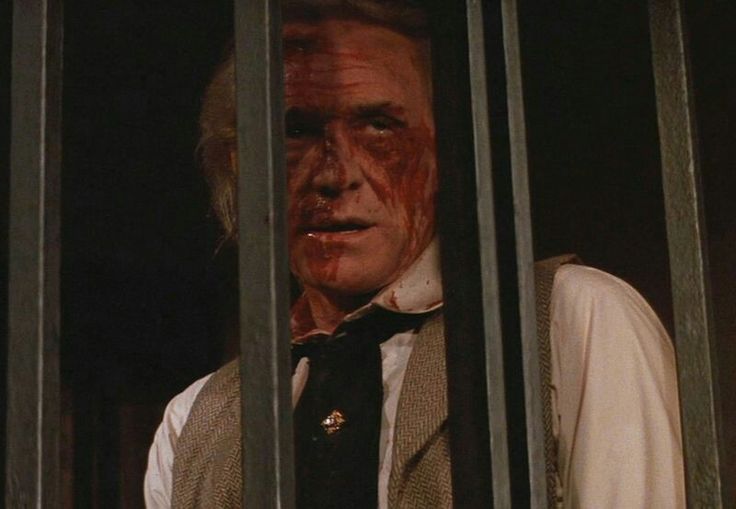
There’s The Schofield Kid, a blustery wannabe whose inexperience can be spotted a mile off, while he himself can’t see more than a few yards in front of his own face.

There’s Strawberry Alice, the smart, strong leader of the local prostitutes; and Skinny, their craven boss.
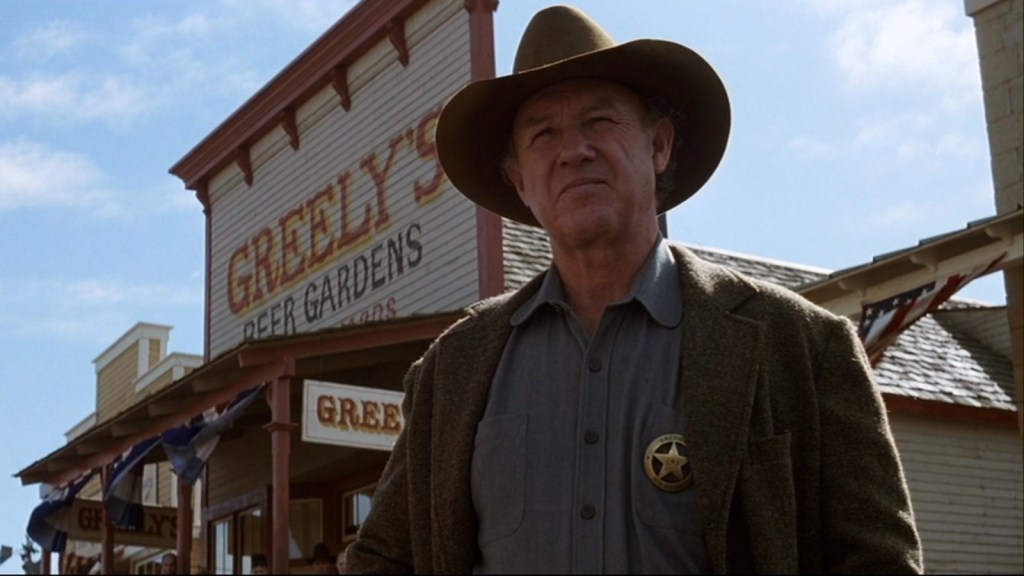
And most of all, there’s sheriff Little Bill Daggett, who, as portrayed by Gene Hackman, amounts to one of the most frightening characters ever to appear on screen. Here, Hackman refines Popeye Doyle even further, combining folksy warmth and reptilian sadism in a truly one-of-a-kind performance.
There was a period in college during which I lived in an apartment with a few other guys and between us we owned exactly three DVDs: Any Given Sunday, Meet the Parents and Unforgiven. These three movies were watched and rewatched endlessly, and now that I think about it, this bizarre and unbalanced diet may be responsible for certain bits of minor psychological damage I carry with me in middle age. After all, Unforgiven seems an odd candidate for repeated comfort viewings–and yet it’s not. It unfolds gracefully and inevitably, in the way of a great novel or brilliant melody. Like all great genre fare, it inhabits the genre completely, while also interrogating it, commenting and expanding upon it.
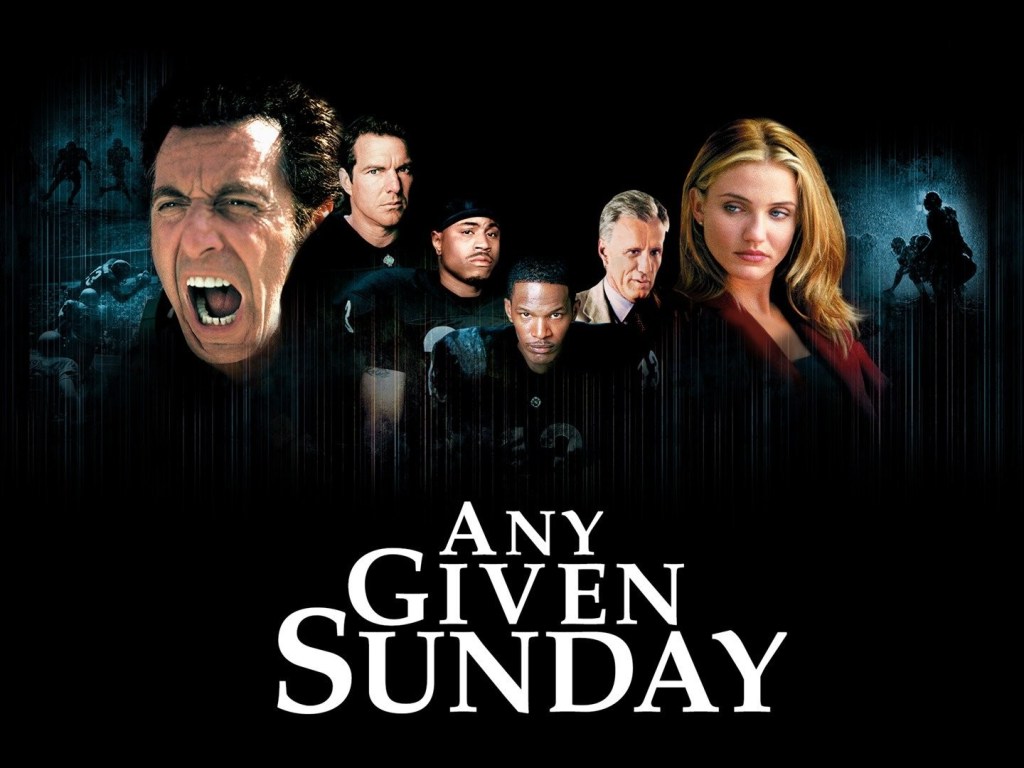
Eeny, meeny..
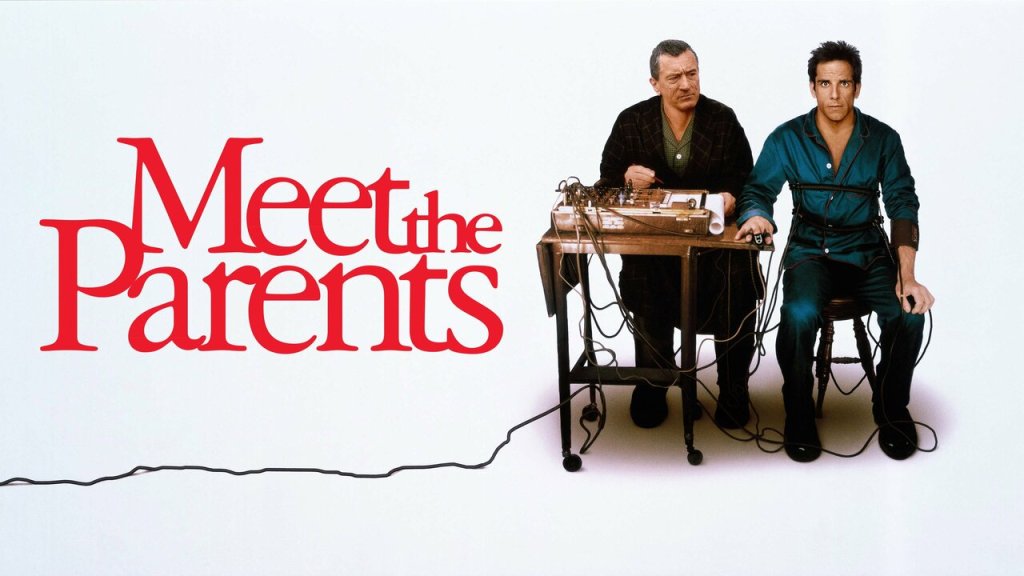
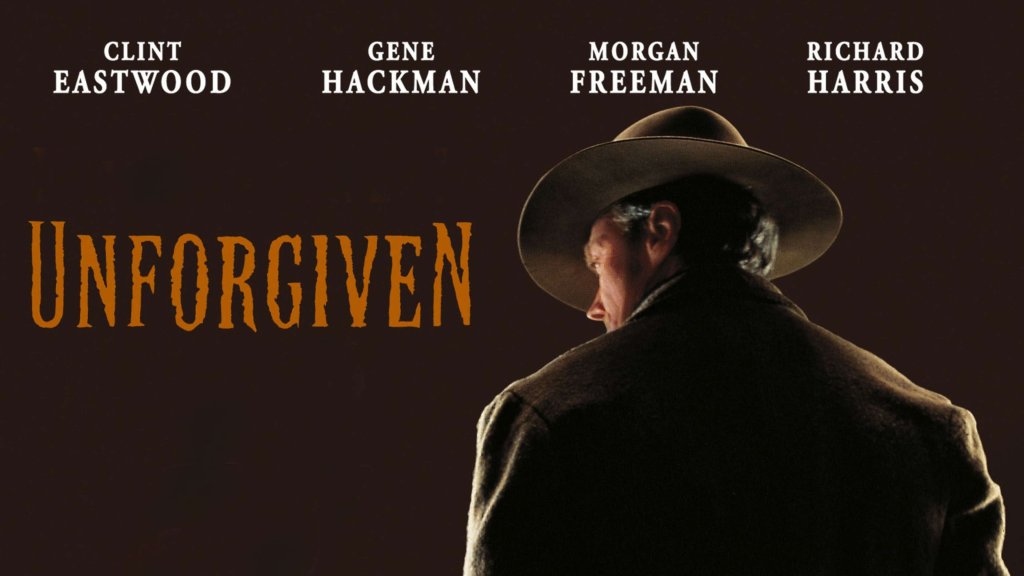
It is, of course, nearly impossible to discuss Unforgiven without examining its function as meta-Western, deconstruction of the American West’s violent mythology as presented by the history books, but moreso by the movies.
Suffice it to say, it succeeds on this level, employing the masterful device of a travelling writer of adventure rags, W.W. Beauchamp (played wonderfully by the great Saul Rubinek), who plays the audience’s surrogate, fascinated and repulsed by what he witnesses, and yet eager to spin it to his own purposes, to romanticize it.
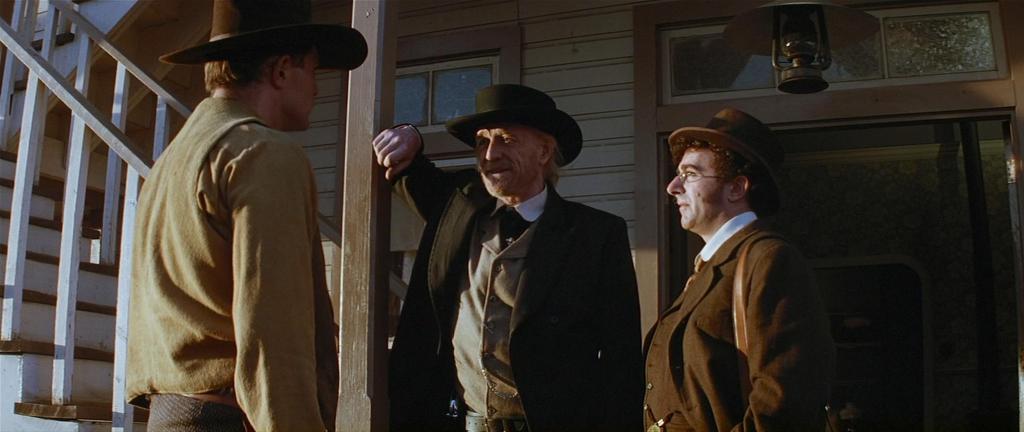
It’s funny to see Hackman’s ice-cold sheriff suddenly succumb to the narcissistic urge to be documented and celebrated, human nature being what it is even in 1880’s Wyoming. It’s charming and even a bit heartwarming to observe Clint Eastwood and Morgan Freeman’s graying, grandfatherly homesteaders discussing with regret and trepidation their previous lives as murderous gunmen. It’s amusing and wearying–in the way of dealing with teenagers–to hear The Schofield Kid prattle on about his own fabricated backstory while idolizing Eastwood’s William Munny based on the secondhand lore he desperately hopes is true.
And therefore, when the film’s story leads us where it inevitably must, the result is both grim and wildly cathartic–rarely has a film made me more hungry for its villain to receive his comeuppance, and rarely has a film so adroitly suggested that that comeuppance is futile, ugly and fraudulent. Nearly a decade before Gladiator (which stinks, by the way), Unforgiven fully demands of its audience (which is the 20th Century American movie-watching public): are you not entertained?
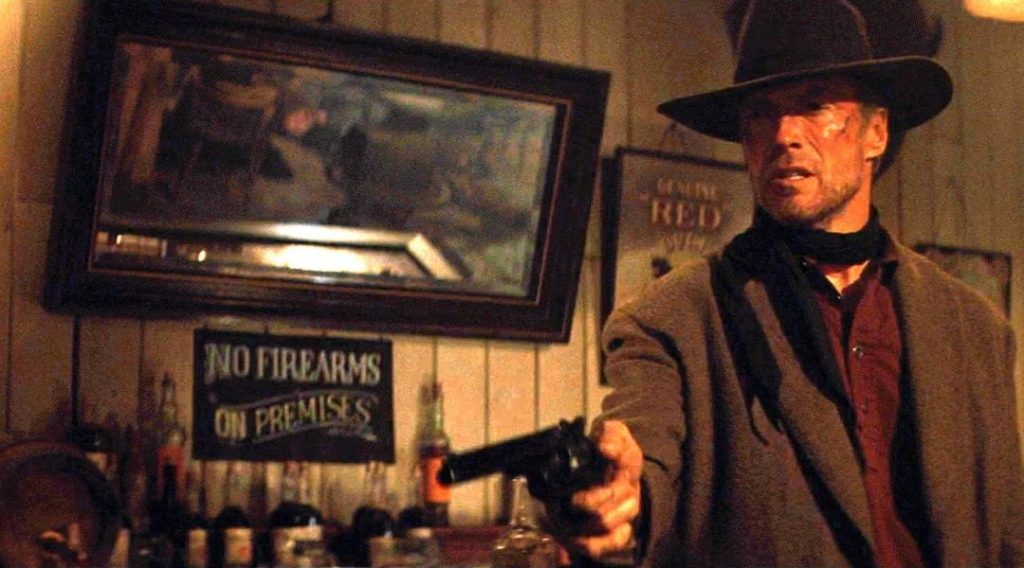
But so successful is Unforgiven on its own filmmaking and storytelling merits that its metatextual elements can be fully abandoned and the film suffers none. I was a 12 or 13 year-old kid when the film first started appearing on premium cable. My knowledge of the Western genre went about as far back as Young Guns and my relationship with the Clint Eastwood of the ’60s and ’70s was essentially non-existent. It didn’t matter then, and it doesn’t matter now.
What was clear was that here was an important and enduring film; compelling, entertaining and about something.
Or–maybe not. Maybe it’s just another tall tale.


Nice bit of writing. A friend spent a good deal of eloquence today trying to get across his view of the greatness of ‘The Searchers’. I appreciate both of your efforts, but myself? This harsh season I will comfort myself with ‘Up In Smoke’
and ‘Search For the Holy Grail’
/
LikeLiked by 1 person
Hey Dave, Happy New Year! You know, I’ve only seen The Searchers once, in a history class in high school years ago. I take it it’s a quite important predecessor to films like Unforgiven. Nothing wrong with spending the holidays with Cheech and Chong and Monty though! Hope you enjoyed.
LikeLike